Esta web utiliza cookies propias y de terceros que nos permiten optimizar tu experiencia en el sitio web, evaluar su rendimiento, generar estadísticas de uso y mejorar y añadir nuevas funcionalidades. Mediante el análisis de tus hábitos de navegación podemos mostrar contenidos más relevantes y medir las interacciones con la web.
Puede obtener más información aquí.
Una cookie és un fitxer que es descàrrega en el teu ordinador en accedir a determinades pàgines web.Les cookies permeten a una pàgina web, entre altres coses, emmagatzemar i recuperar informació sobre els hàbits de navegació d'un usuari o del seu equip, gestionar l'accés d'usuaris a zones restringides de la web, etc.Tipus de cookies utilitza aquesta pàgina web:
Este tipo de cookies permiten al usuario la navegación a través de una página web, plataforma o aplicación y la utilización de las diferentes opciones o servicios que en ella existan como, por ejemplo, controlar el tráfico y la comunicación de datos, identificar la sesión, acceder a partes de acceso restringido, seleccionar el idioma, o compartir contenidos a través de redes sociales.
| Nombre | Descripcion | Duración | Habilitado |
|---|---|---|---|
| ID de tu sesión. Te identifica en este navegador y nos permite gestionar tus cookies o almacenar tu cesta de la compra. | 8760 horas | ||
| Indica qué cookies has aceptado. | 8760 horas | ||
| Una cookie PHPSESSID es una cookie de sesión que se utiliza para identificar la sesión de un usuario en un sitio web. | 8760 horas |
Son aquéllas que posibilitan el seguimiento y análisis del comportamiento de los usuarios en nuestra página. La información recogida se utiliza para la medición de la actividad de los usuarios en la web y la elaboración de perfiles de navegación de los usuarios, con la finalidad de mejorar la web, así como los productos y servicios ofertados.
| Nombre | Descripcion | Duración | Habilitado |
|---|---|---|---|
| Es un servicio de analítica web que utiliza cookies de análisis. | 8760 horas |
Estas cookies pueden ser establecidas a través de nuestro sitio por nuestros socios publicitarios. Pueden ser utilizadas por esas empresas para crear un perfil de sus intereses y mostrarle anuncios relevantes en otros sitios. No almacenan directamente información personal, sino que se basan en la identificación única de su navegador y dispositivo de Internet. Si no permite utilizar estas cookies, verá menos publicidad dirigida.
| Nombre | Descripcion | Duración | Habilitado |
|---|
Què són les Cookies?
Una cookie és un fitxer que es descarrega en el teu ordinador en accedir a determinades pàgines web. Les cookies permeten a una pàgina web, entre altres coses, emmagatzemar i recuperar informació sobre els hàbits de navegació d'un usuari o del seu equip, gestionar l'accés d'usuaris a zones restringides de la web, etc...
Quin tipus de cookies utilitza aquesta pàgina web?
Cookies de Anàlisi
Són aquelles que possibiliten el seguiment i l’anàlisi del comportament dels usuaris a la nostra pàgina. La informació recollida s'utilitza per al mesurament de l'activitat dels usuaris a la web i l'elaboració de perfils de navegació dels usuaris, amb la finalitat de millorar la web, així com els productes i serveis oferts.
Cookies Tècniques
Aquest tipus de cookies permeten a l'usuari la navegació a través d'una pàgina web, plataforma o aplicació i la utilització de les diferents opcions o serveis que en ella existeixin com, per exemple, controlar el tràfic i la comunicació de dades, identificar la sessió, accedir a parts d'accés restringit, o compartir continguts a través de xarxes socials
Cookies de Personalizació
Són aquelles que ens permeten adaptar la navegació a la nostra pàgina web a les vostres preferències (Ex. Idioma, navegador utilitzat, etc...)
| Nom | Propia / Tercer | Duració | Descripció | Propietari |
| _gat | Tercer | 1 minut | Es fa servir per a limitar el percentatge de sol.licituts. | Google Analytics |
| _ga | Tercer | 2 anys | Es fa servir per a distinguir els usuaris. | Google Analytics |
| _gid | Tercer | 24 hores | Es fa servir per a distinguir els usuaris. | Google Analytics |
| PHPSESSID | Propia | Sesió | Cookie de sessió, desapareix quan es tanca la web. | Arnoia |
| COOKIE_CONSENT | Propia | 1 mes | Cookie de personalizació. | Arnoia |
| SESS_ID | Propia | 10 díes | Cookie de Sesió. | Arnoia |
Les cookies emprades en aquesta pàgina web, són utilitzades pel responsable legal d'aquesta pàgina web i pels següents serveis o proveïdors de serveis:
- Google Analytics: És un servei d'analítica web que utilitza cookies d'anàlisi. Podeu consultar la política de privacitat d'aquest servei en aquesta adreça web. http://www.google.com/intl/es/analytics/privacyoverview.html.
Com puc desactivar o eliminar les Cookies?
Podeu permetre, bloquejar o eliminar les cookies instal•lades al vostre equip mitjançant la configuració de les opcions del navegador instal•lat al vostre ordinador. Als següents enllaços trobareu informació addicional sobre les opcions de configuració de les cookies en els diferents navegadors.
– Internet Explorer: http://windows.microsoft.com/es-es/windows7/how-to-manage-cookies-in-internet-explorer-9
– Google Chrome: http://support.google.com/chrome/bin/answer.py?hl=es&answer=95647
– Firefox: http://support.mozilla.org/es/kb/habilitar-y-deshabilitar-cookies-que-los-sitios-we
– Safari: http://support.apple.com/kb/ph5042.
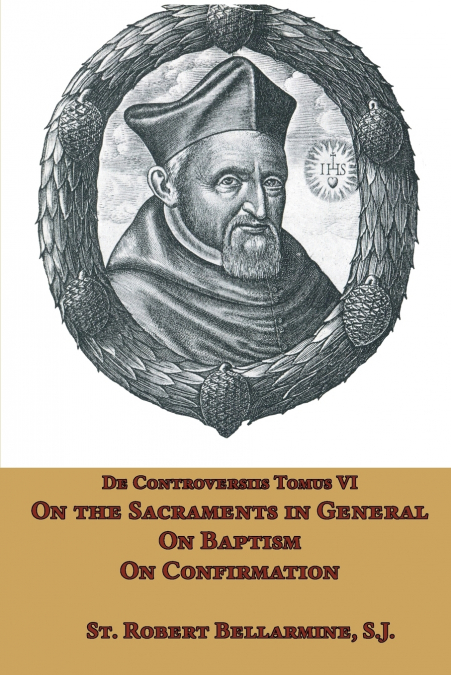
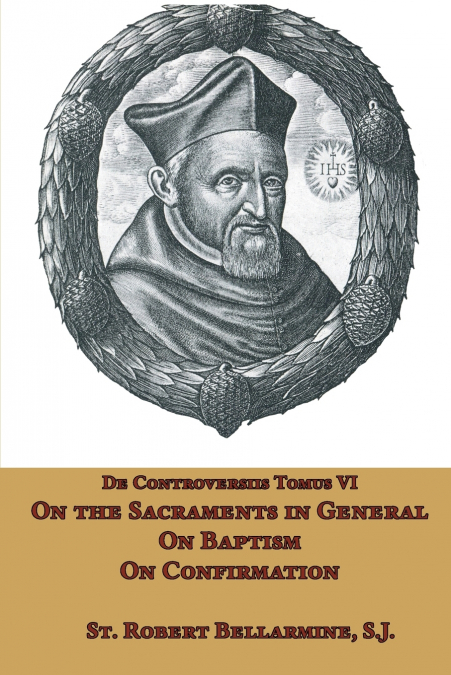
In the first volume on the Sacraments, St. Robert follows the order of teaching in the Council of Trent to defend Catholic truth against the teaching of early Protestants. In his work On the Sacraments in General, He defends the Catholic notion of Sacraments as well as their use. He looks to the definition of a Sacrament, and then the matter and form, the author of the Sacraments, the difference between the Sacraments used in the Old Testament and in the New, whether one can change the matter and form, as well as the notion of the minister of the Sacrament, and what he must intend to do for the Sacraments to be valid. According St. RobertâÇÖs custom, he defends all of his argumentation first from Scripture, and then from Tradition, providing penetrating exegetical commentary combined with the consensus of the teaching of the Fathers in defense of the universal Catholic teaching upheld at Trent. He also adds argumentation from reason, and takes head on the arguments of the early Protestants at every turn, showing the contradictions of Luther, the misuse of Scripture of Calvin, and the foolishness of Martin Chemnitz.In book II, St. Robert defends their effects and their number, as well as the validity of ceremonies approved by the Church. St. Robert demonstrates, on the sure foundation of Scripture and the Fathers, that the Sacraments obtain their effect ex opere operato, what is meant by that term and how the Protestants misunderstood it. He also defends the Scholastics against attacks and abuses which Calvin and Chemnitz heap on them. Moving on to other matters, St. Robert defends that the effect of grace in the Sacraments is only found ex opere operato in the New Testament. Lastly, he proves that the Church has the power to effect new ceremonies for the Sacraments, and defends the use of the Latin language in the Western Church, or Greek and Aramaic in the Eastern Churches.In On Baptism and Confirmation, he defends the Catholic teaching on regeneration in Baptism, along with the existence and effects of Confirmation. As always, he draws his arguments from Scripture, and the Fathers, combining faithful exegesis with the witness of the Church in all ages. St. Robert defends the form and matter of Baptism, catches the Protestants in contradictions, and defends that it is necessary for salvation, whereas faith alone does not justify. He goes on to show that it can be administered to children against the Anabaptists, and the difference between the Baptism of Christ and that of John. Then, on Confirmation, St. Robert shows from Scripture and Tradition that Confirmation is attested to by the actions of the Apostles, and the teaching which they passed down to the Fathers, along with its effects, ceremonies, and refutation of Protestant arguments against it. Apart from Calvin, Bellarmine makes a systematic refutation of Martin ChemnitzâÇÖs Examination of the Council of Trent on any subjects touching upon the Sacraments.'For five years in Chablais, I pre