Esta web utiliza cookies propias y de terceros que nos permiten optimizar tu experiencia en el sitio web, evaluar su rendimiento, generar estadísticas de uso y mejorar y añadir nuevas funcionalidades. Mediante el análisis de tus hábitos de navegación podemos mostrar contenidos más relevantes y medir las interacciones con la web.
Puede obtener más información aquí.
Una cookie és un fitxer que es descàrrega en el teu ordinador en accedir a determinades pàgines web.Les cookies permeten a una pàgina web, entre altres coses, emmagatzemar i recuperar informació sobre els hàbits de navegació d'un usuari o del seu equip, gestionar l'accés d'usuaris a zones restringides de la web, etc.Tipus de cookies utilitza aquesta pàgina web:
Este tipo de cookies permiten al usuario la navegación a través de una página web, plataforma o aplicación y la utilización de las diferentes opciones o servicios que en ella existan como, por ejemplo, controlar el tráfico y la comunicación de datos, identificar la sesión, acceder a partes de acceso restringido, seleccionar el idioma, o compartir contenidos a través de redes sociales.
| Nombre | Descripcion | Duración | Habilitado |
|---|---|---|---|
| ID de tu sesión. Te identifica en este navegador y nos permite gestionar tus cookies o almacenar tu cesta de la compra. | 8760 horas | ||
| Indica qué cookies has aceptado. | 8760 horas | ||
| Una cookie PHPSESSID es una cookie de sesión que se utiliza para identificar la sesión de un usuario en un sitio web. | 8760 horas |
Son aquéllas que posibilitan el seguimiento y análisis del comportamiento de los usuarios en nuestra página. La información recogida se utiliza para la medición de la actividad de los usuarios en la web y la elaboración de perfiles de navegación de los usuarios, con la finalidad de mejorar la web, así como los productos y servicios ofertados.
| Nombre | Descripcion | Duración | Habilitado |
|---|---|---|---|
| Es un servicio de analítica web que utiliza cookies de análisis. | 8760 horas |
Estas cookies pueden ser establecidas a través de nuestro sitio por nuestros socios publicitarios. Pueden ser utilizadas por esas empresas para crear un perfil de sus intereses y mostrarle anuncios relevantes en otros sitios. No almacenan directamente información personal, sino que se basan en la identificación única de su navegador y dispositivo de Internet. Si no permite utilizar estas cookies, verá menos publicidad dirigida.
| Nombre | Descripcion | Duración | Habilitado |
|---|
Què són les Cookies?
Una cookie és un fitxer que es descarrega en el teu ordinador en accedir a determinades pàgines web. Les cookies permeten a una pàgina web, entre altres coses, emmagatzemar i recuperar informació sobre els hàbits de navegació d'un usuari o del seu equip, gestionar l'accés d'usuaris a zones restringides de la web, etc...
Quin tipus de cookies utilitza aquesta pàgina web?
Cookies de Anàlisi
Són aquelles que possibiliten el seguiment i l’anàlisi del comportament dels usuaris a la nostra pàgina. La informació recollida s'utilitza per al mesurament de l'activitat dels usuaris a la web i l'elaboració de perfils de navegació dels usuaris, amb la finalitat de millorar la web, així com els productes i serveis oferts.
Cookies Tècniques
Aquest tipus de cookies permeten a l'usuari la navegació a través d'una pàgina web, plataforma o aplicació i la utilització de les diferents opcions o serveis que en ella existeixin com, per exemple, controlar el tràfic i la comunicació de dades, identificar la sessió, accedir a parts d'accés restringit, o compartir continguts a través de xarxes socials
Cookies de Personalizació
Són aquelles que ens permeten adaptar la navegació a la nostra pàgina web a les vostres preferències (Ex. Idioma, navegador utilitzat, etc...)
| Nom | Propia / Tercer | Duració | Descripció | Propietari |
| _gat | Tercer | 1 minut | Es fa servir per a limitar el percentatge de sol.licituts. | Google Analytics |
| _ga | Tercer | 2 anys | Es fa servir per a distinguir els usuaris. | Google Analytics |
| _gid | Tercer | 24 hores | Es fa servir per a distinguir els usuaris. | Google Analytics |
| PHPSESSID | Propia | Sesió | Cookie de sessió, desapareix quan es tanca la web. | Arnoia |
| COOKIE_CONSENT | Propia | 1 mes | Cookie de personalizació. | Arnoia |
| SESS_ID | Propia | 10 díes | Cookie de Sesió. | Arnoia |
Les cookies emprades en aquesta pàgina web, són utilitzades pel responsable legal d'aquesta pàgina web i pels següents serveis o proveïdors de serveis:
- Google Analytics: És un servei d'analítica web que utilitza cookies d'anàlisi. Podeu consultar la política de privacitat d'aquest servei en aquesta adreça web. http://www.google.com/intl/es/analytics/privacyoverview.html.
Com puc desactivar o eliminar les Cookies?
Podeu permetre, bloquejar o eliminar les cookies instal•lades al vostre equip mitjançant la configuració de les opcions del navegador instal•lat al vostre ordinador. Als següents enllaços trobareu informació addicional sobre les opcions de configuració de les cookies en els diferents navegadors.
– Internet Explorer: http://windows.microsoft.com/es-es/windows7/how-to-manage-cookies-in-internet-explorer-9
– Google Chrome: http://support.google.com/chrome/bin/answer.py?hl=es&answer=95647
– Firefox: http://support.mozilla.org/es/kb/habilitar-y-deshabilitar-cookies-que-los-sitios-we
– Safari: http://support.apple.com/kb/ph5042.
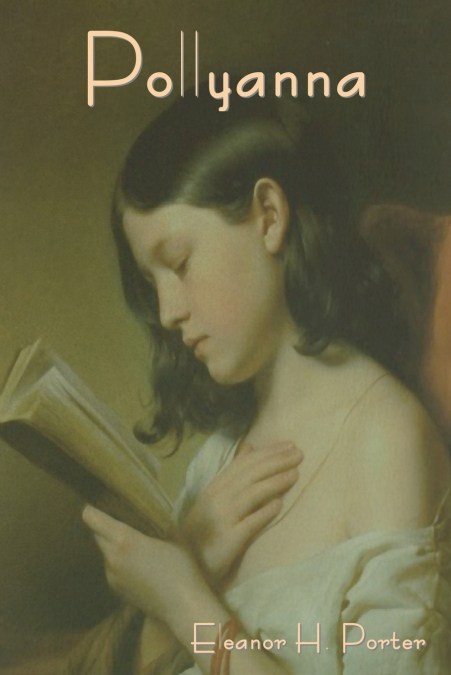

Pollyanna is a 1913 novel by American author Eleanor H. Porter, considered a classic of childrenâÇÖs literature. The bookâÇÖs success led to PorterâÇÖs soon writing a sequel, Pollyanna Grows Up (1915). Eleven more Pollyanna sequels, known as 'Glad Books', were later published, most of them written by Elizabeth Borton or Harriet Lummis Smith. Further sequels followed, including Pollyanna Plays the Game by Colleen L. Reece, published in 1997. Due to the bookâÇÖs fame, 'Pollyanna' has become a byword for someone who - like the title character - has an unfailingly optimistic outlook, a subconscious bias towards the positive is often described as the Pollyanna principle. Despite the current common use of the term to mean 'excessively cheerful', Pollyanna and her father played the glad game as a method of coping with the real difficulties and sorrows that, along with luck and joy, shape every life.áPollyanna has been adapted for film several times. Some of the best known are the 1920 version starring Mary Pickford, and DisneyâÇÖs 1960 version starring child actress Hayley Mills, who won a special Oscar for the role.ááThe title character is Pollyanna Whittier, an eleven-year-old orphan who goes to live in the fictional town of Beldingsville, Vermont, with her wealthy but stern and cold spinster Aunt Polly Harrington, who does not want to take in Pollyanna but feels it as her duty to her late sister Jennifer. PollyannaâÇÖs philosophy of life centers on what she calls 'The Glad Game', an optimistic and positive attitude she learned from her father. The game consists of finding something to be glad about in every situation, no matter how bleak it may be. It originated in an incident one Christmas when Pollyanna, who was hoping for a doll in the missionary barrel, found only a pair of crutches inside. Making the game up on the spot, PollyannaâÇÖs father taught her to look at the good side of things-in this case, to be glad about the crutches because she did not need to use them.áWith this philosophy, and her own sunny personality and sincere, sympathetic soul, Pollyanna brings so much gladness to her auntâÇÖs dispirited New England town that she transforms it into a pleasant place to live. The Glad Game shields her from her auntâÇÖs stern attitude: when Aunt Polly puts her in a stuffy attic room without carpets or pictures, she exults at the beautiful view from the high window, when she tries to 'punish' her niece for being late to dinner by sentencing her to a meal of bread and milk in the kitchen with the servant Nancy, Pollyanna thanks her rapturously because she likes bread and milk, and she likes Nancy.áSoon Pollyanna teaches some of BeldingsvilleâÇÖs most troubled inhabitants to 'play the game' as well, from Mrs. Snow, a querulous invalid, to Mr. Pendleton, a miserly bachelor who lives all alone in a cluttered mansion. Aunt Polly, too-finding herself helpless before PollyannaâÇÖs buoyant refusal to be downcast-gradually begins to thaw, although she resists the Glad Game longer than anyone else.áEventually, however, even PollyannaâÇÖs robust optimism is put to the test when she is struck by a car and loses the use of her legs. At first, she does not realize the seriousness of her situation, but her spirits plummet when she is told what happened to her. After that, she lies in bed, unable to find anything to be glad about. Then the townspeople begin calling at Aunt PollyâÇÖs house, eager to let Pollyanna know how much her encouragement has improved their lives, and Pollyanna decides she can still be glad that she at least had her legs. The novel ends with Aunt Polly marrying her former lover Dr. Chilton and Pollyanna being sent to a hospital, where she learns to walk again and is able to appreciate the use of her legs far more as a result of being temporarily disabled and unable to walk well. (wikipedia.org)